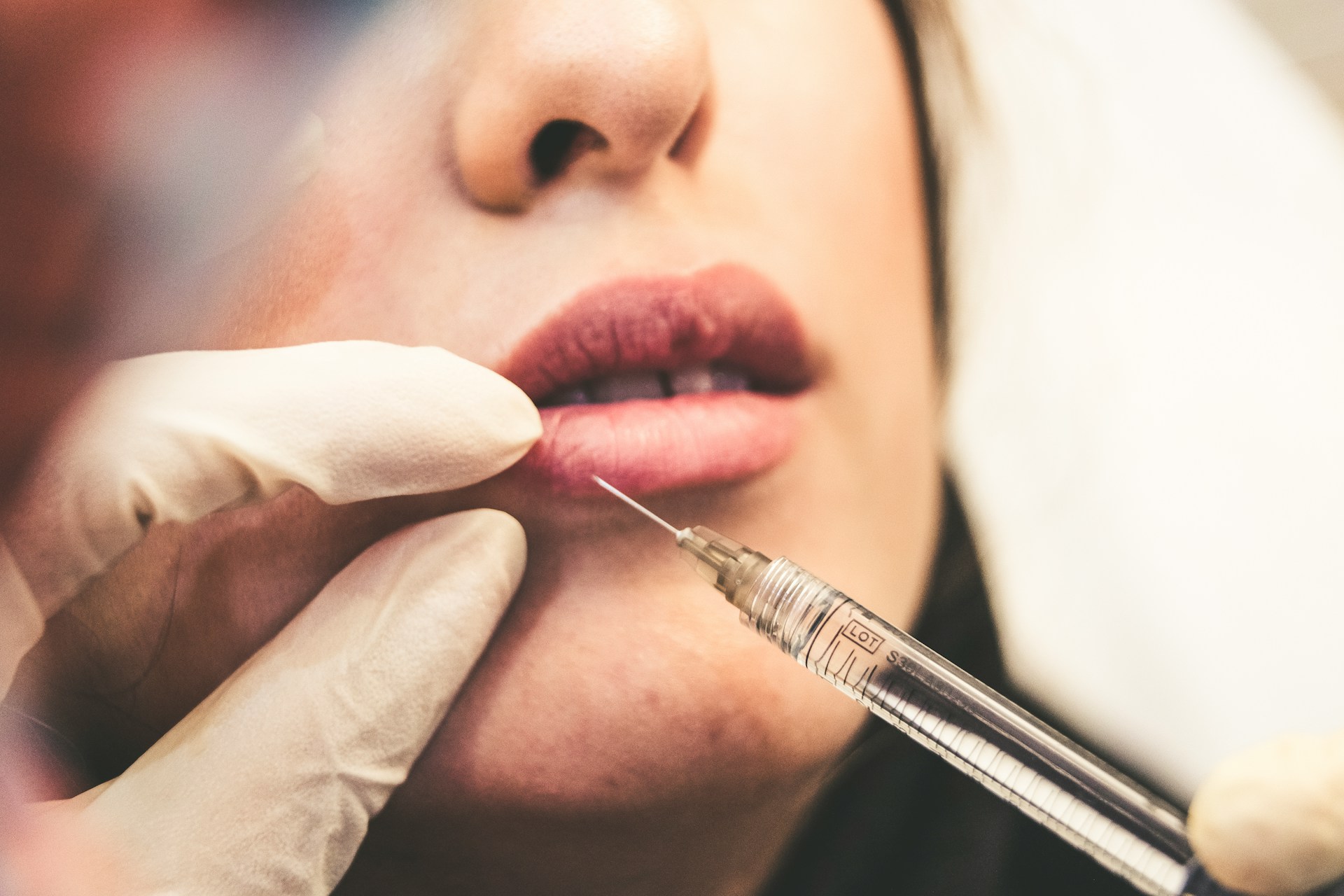
The conversation around Dermal fillers has shifted in recent years, giving rise to what some call “filler fatigue”. It’s easy to understand why: overfilled lips, exaggerated cheeks, and other unnatural results have been widely seen. But for many people, the fatigue isn’t about Dermal fillers themselves—it’s about avoiding the overdone “pillow face” look caused by excessive use.
According to the American Society of Plastic Surgeons’ 2024 Plastic Surgery Statistics Report, hyaluronic acid (HA) Dermal fillers were among the most popular minimally invasive cosmetic procedures, with roughly 5.3 million patients opting for facial treatments—a 1% rise from 2023. About 1.6 million more treatments targeted the lips specifically.
Dermal fillers are clearly still in demand, but their application is evolving. Dermatologists and plastic surgeons note that the trend has shifted from a “more is better” mentality to a preference for subtle, natural enhancements.
“We’re seeing patients approach Dermal fillers as part of a long-term facial balancing plan rather than a single procedure just to add volume,” says Bob Basu, MD, a board-certified plastic surgeon in Houston and president of the American Society of Plastic Surgeons.
Rather than layering multiple syringes into cheeks and lips, today’s approach emphasizes careful, strategic placement of Dermal fillers to achieve a natural appearance. If you want to understand how Dermal fillers work and what they can do, here’s a complete guide before you book your appointment.
Meet the Experts
- Bob Basu, MD – Board-certified plastic surgeon, Houston; President, American Society of Plastic Surgeons
- Caren Campbell, MD – Board-certified Dermatologist, San Francisco
- Melissa Doft, MD – Double board-certified plastic surgeon, New York City
- Dendy Engelman, MD – Board-certified cosmetic Dermatologist and Mohs surgeon, New York City
- Robert Schwarcz, MD – Board-certified plastic surgeon, New York City
- Hasib Sarij, MD – Anti-aging specialist, Deer Park, New York
Types of Dermal Fillers: Hyaluronic Acid vs. Biostimulatory
1. Hyaluronic Acid (HA) Fillers
Hyaluronic acid is a naturally occurring molecule that attracts water, creating volume and hydration in the skin. HA Dermal fillers—like Juvéderm, Restylane, RHA, Belotero, and Revanesse—are among the most widely used.
- For Volume: Some thicker HA formulas, such as Juvéderm Voluma XC and Restylane Lyft, are ideal for adding volume to less mobile areas like the temples and midface.
- For Hydration: Thinner formulations, like Juvéderm SkinVive, can be injected superficially to improve skin hydration and texture without adding bulk.
- For Lips: HA Dermal fillers are also used in the lips to provide subtle enhancements. Restylane Refyne offers gentle hydration, while Juvéderm Ultra can create a fuller, glossier appearance.
“I often recommend Dermal fillers not just for volume, but for restoring hydration and subtle facial contouring,” says Dr. Sarij. “The goal is always natural results that enhance the overall harmony of the face, using minimally invasive techniques that complement a patient’s features.”
2. Biostimulatory Fillers
Biostimulatory Dermal fillers, like Radiesse and Sculptra, contain calcium hydroxyapatite or poly-L-lactic acid (PLLA). They add volume while stimulating collagen production over time for longer-lasting effects.
“Biostimulatory fillers are ideal for patients who want gradual facial rejuvenation,” says Dr. Campbell. “They support collagen growth and help restore overall facial balance while maintaining a natural look.”
Note: These fillers are not recommended for mobile areas such as lips or under the eyes, where HA is more appropriate.
Fillers Can Be Reversed (Sometimes)
HA Dermal fillers can be dissolved with hyaluronidase if results are not as expected. Biostimulatory fillers cannot be reversed, though their effects naturally diminish over time.
“The reversibility of HA Dermal fillers gives patients peace of mind, especially if they are trying fillers for the first time,” notes Dr. Sarij. “I always encourage starting conservatively and building subtle improvements rather than overcorrecting in one session.”
Beyond the Lips: Dermal Fillers for Face and Body
Dermal fillers are versatile and can be used beyond the lips: in temples, cheeks, midface, earlobes, or even for chin and nose enhancements. Patients who’ve lost facial volume from weight loss or aging often benefit from targeted filler treatments.
“Dermal fillers are incredibly versatile,” notes Dr. Hasib Sarij, Dermal filler specialist at Evolve Medical in Long Island, New York. “I use them to restore lost volume in the temples, cheeks, and midface, helping patients achieve natural balance and a youthful contour without surgery.”
Biostimulatory fillers can also improve areas like the arms, elbows, or knees.
The “Less Is More” Approach
Most experts agree: subtlety is key. “My philosophy is precision over quantity,” explains Dr. Sarij. “Small, carefully placed filler injections often produce the most natural, harmonious results, allowing the patient’s features to shine rather than be overshadowed.”
Dr. Engelman adds, “Filler should restore, not exaggerate,” while Dr. Basu reminds us, “The best filler work is the one you don’t notice.”
Consultations Are Crucial
A thorough consultation with a board-certified plastic surgeon or Dermatologist is essential. “Dermal fillers are medical care, not a casual beauty service,” emphasizes Dr. Basu.
Pain, Swelling, and Recovery
- Discomfort: Doctors may use numbing cream, vibration tools, or dental blocks to reduce discomfort.
- Side Effects: Post-treatment effects may include bruising, swelling, or small bumps. Ice packs and natural remedies like pineapple (for its anti-inflammatory enzyme, bromelain) can help.
- Resolution: Gentle massaging can also smooth bumps, which typically resolve within 48 hours.
Danger Zones and Precautions
Some areas, particularly around the eyes, tear troughs, and glabella (the “elevens”), carry higher risks. Pregnant or breastfeeding individuals, or patients on blood thinners, should avoid Dermal fillers.
New Products and Future Trends
The U.S. often lags behind other countries in access to new Dermal filler products due to the FDA’s rigorous approval process. However, the field continues to evolve rapidly.
“The future of Dermal fillers is about combining aesthetics with overall facial health,” says Dr. Sarij. “Advances will focus on treatments that enhance skin structure, support collagen, and provide natural, long-lasting results.”
Dr. Engelman agrees: “The future of injectables is all about treatments that enhance skin health, elasticity, and structure from within.”
Looking for more tips on grooming and wellness? Check out more articles in our Health section.