
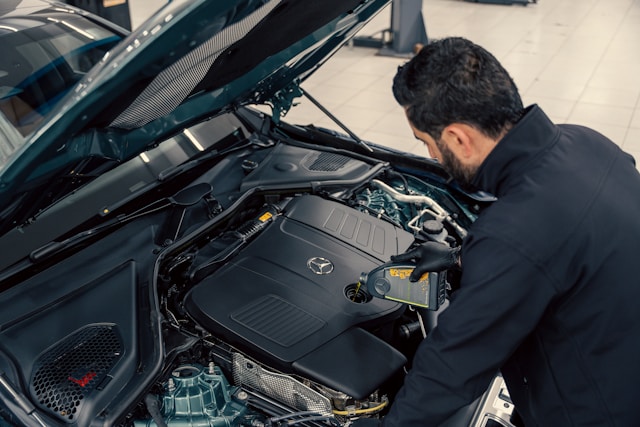
Owning a car is more than just convenient; it’s a big financial and personal responsibility. Buying it is only the first step. To be a truly smart owner, you need to see the whole picture, from hidden costs to the benefits of proper care. Managing your vehicle well shows you’re on top of your personal finances, making sure your investment works for you instead of draining your wallet.
The True Cost of Car Ownership
The price you pay at the dealership is just the start of what your car will actually cost. Many new owners are surprised by how quickly ongoing expenses add up. Beyond your monthly payment, you’ll need to budget for insurance, fuel, and the inevitable depreciation that lowers your car’s value every year. Then there are the variable costs of maintenance and repairs.
Understanding the true cost of vehicle ownership helps you budget realistically and make smarter choices from day one. Things like new tires, oil changes, and unexpected repairs can cause financial stress if you’re not ready for them. Thinking about these costs beforehand puts you in control, turning potential panic into practical planning.
Saving Money on Car Maintenance
Preventative maintenance is the best way to save money on your car over time. It’s much cheaper to stick to the manufacturer’s recommended service schedule than to pay for major repairs that happen because you neglected something. This includes regular oil changes, tire rotations, and fluid checks. Ignoring a small problem, like a strange noise or a dashboard warning light, almost always leads to a bigger, more expensive issue later on.
A key part of this strategy is finding a reliable auto repair company you can trust for honest advice and good work. A good mechanic will help you prioritize services, telling you what needs immediate attention and what can wait. It’s also smart to know how different car brands compare. Research shows that maintenance and repair costs can vary a lot between manufacturers, which might influence your next car purchase.
DIY vs. Professional Service
Getting hands-on with your car can be both empowering and cost-effective, but it’s important to know your limits. There are plenty of simple tasks most owners can learn to do themselves with a few basic tools and an online tutorial. These include:
- Checking and topping off fluids like oil and windshield washer fluid
- Replacing windshield wiper blades
- Changing engine and cabin air filters
- Swapping out a dead battery
However, more complex jobs are best left to trained professionals. Tasks involving brakes, the transmission, engine diagnostics, or the electrical system need specialized knowledge and equipment. Trying these repairs yourself without proper training can lead to a more expensive fix, compromise your car’s safety, or even cause personal injury. The smart move is to be honest about your skill level and let an expert handle the complicated work.
Extending Your Car’s Lifespan
Making your car last longer is a direct result of good habits. With vehicles on the road getting older on average, keeping your car in great shape for 10 years or more is a realistic goal. It all starts with consistent, mindful care. Always follow the maintenance schedule in your owner’s manual. This is the guide created by the engineers who designed your car.
Your driving style also makes a big difference. Smooth acceleration and braking are much easier on the engine, transmission, and brakes than aggressive, jerky movements. Keep your car clean, inside and out. Regular washing and waxing protect the paint and can prevent rust, especially in areas where road salt is used in winter. By combining regular professional service with smart daily habits, you protect your investment and ensure it stays reliable for years to come.
Being a smart car owner means being proactive. Understanding the costs and committing to regular care helps you enjoy the freedom of the road without financial worry.